Where theory takes flight — literally.
This hands-on workshop brings the Principles of Flight to life through interactive learning, creative design, and real-world testing.
Phase 1: Theory in Action
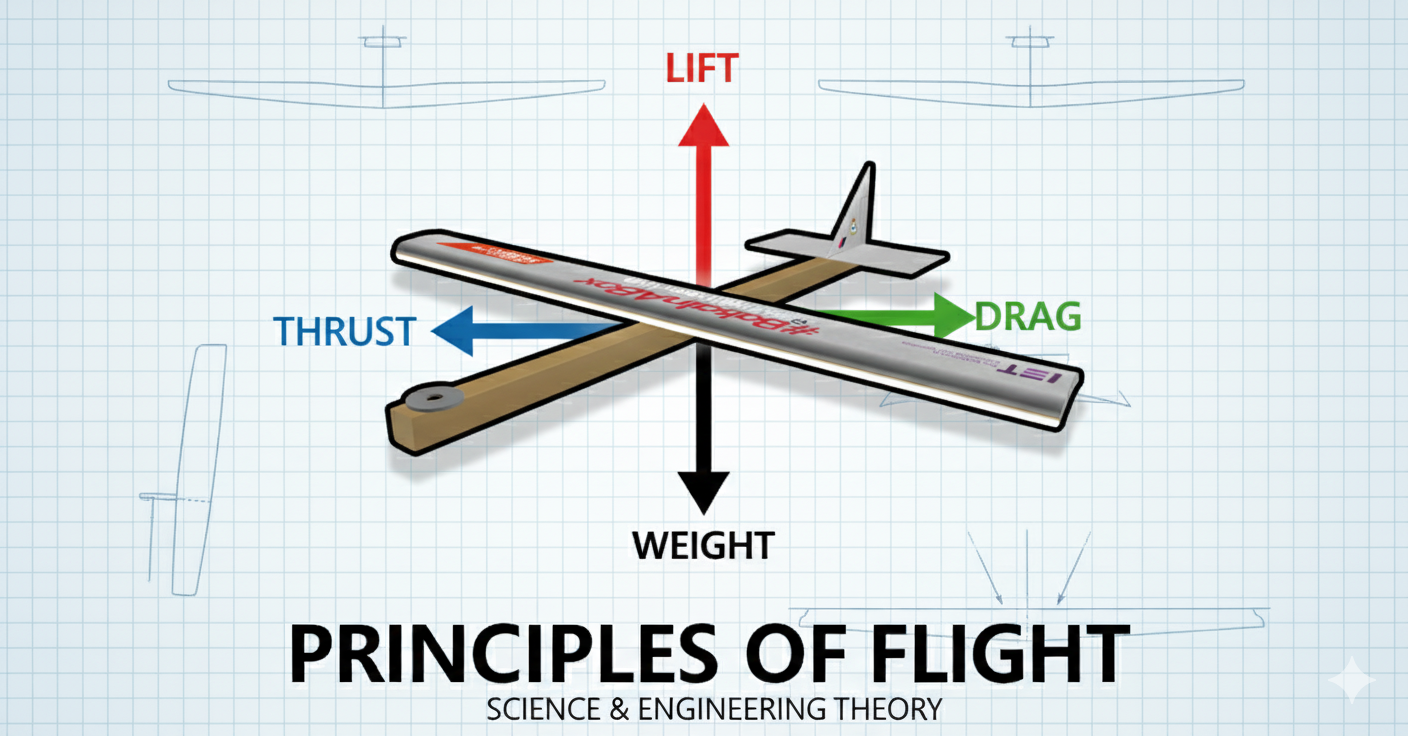
We begin with a fast-paced, curriculum-aligned Q&A exploring the four forces of flight — lift, weight, thrust, and drag — and how they interact to keep aircraft airborne. Concepts are tailored to age and ability, with links to KS2–KS4 science and design technology outcomes.
Phase 2: Build Your Glider
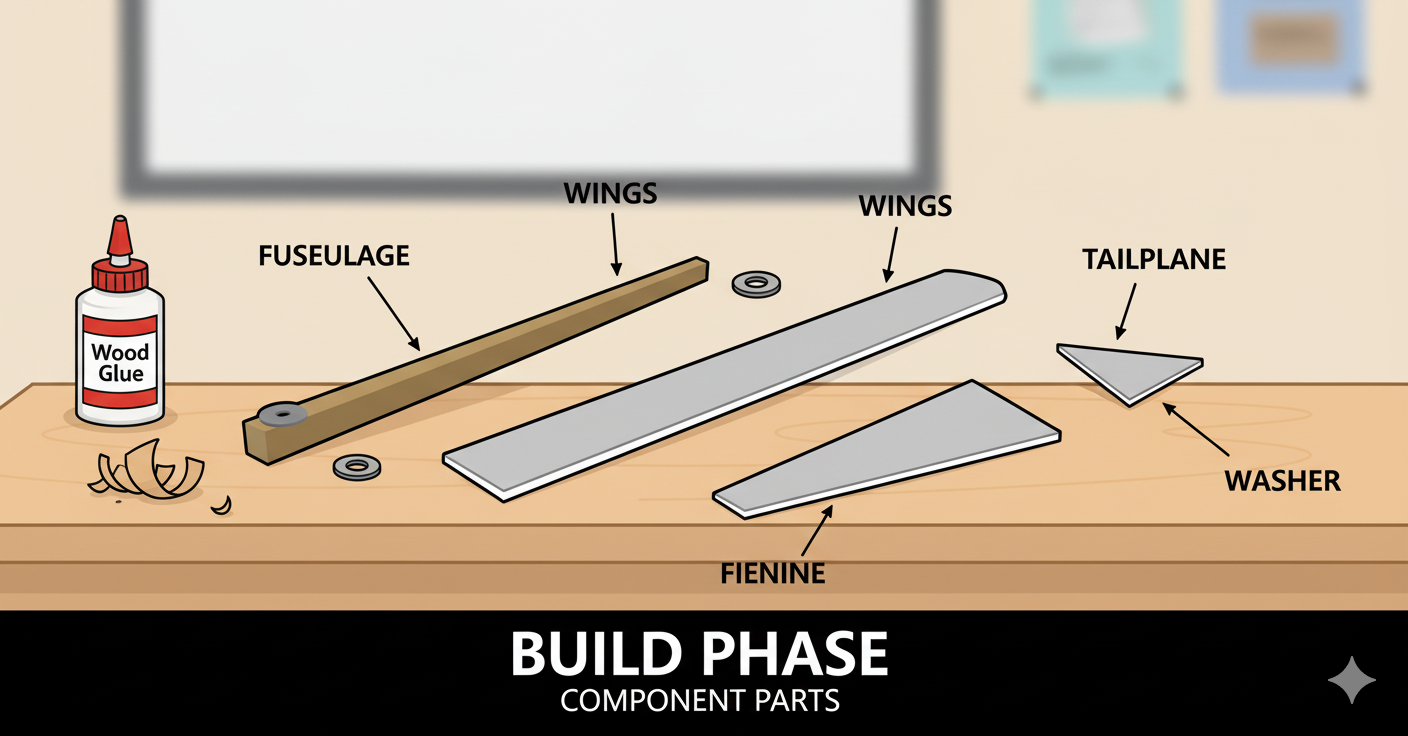
Each student receives a Balsa in a Box kit containing:
- A4 card with printed templates for wing and tailplane
- Balsa wood main spar and fuselage
- A nut (our “pilot”) for weight and balance
- Elastic band for wing attachment and trim
- Sticker sheet or Sellotape for sealing and assembly
Younger students follow guided instructions to build a stable glider. Older students are encouraged to adapt and experiment within the kit’s constraints — exploring how design tweaks affect performance.
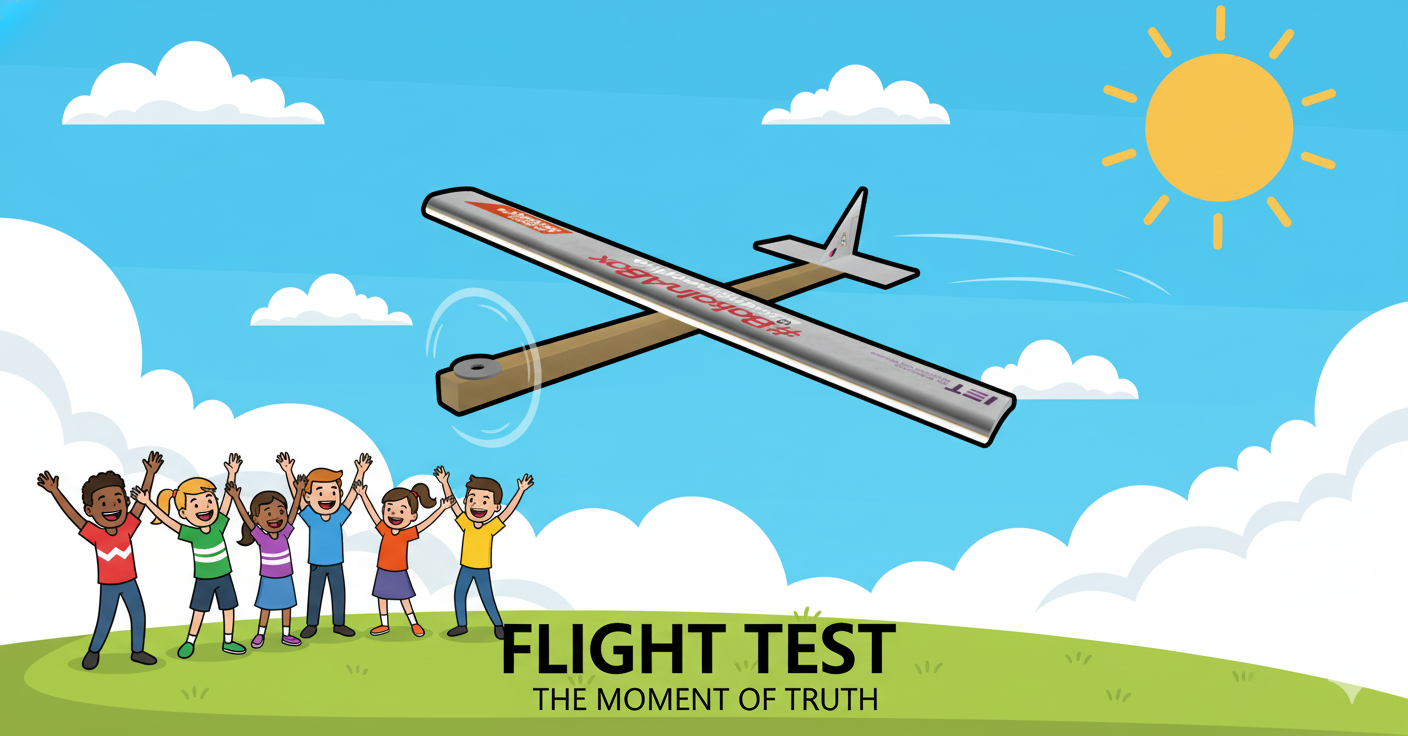
Phase 3: Test FlightTime to launch!
Students test their gliders and observe how design, balance, and build quality influence flight. We explore stability, control, and iterative improvement, just like real engineers.
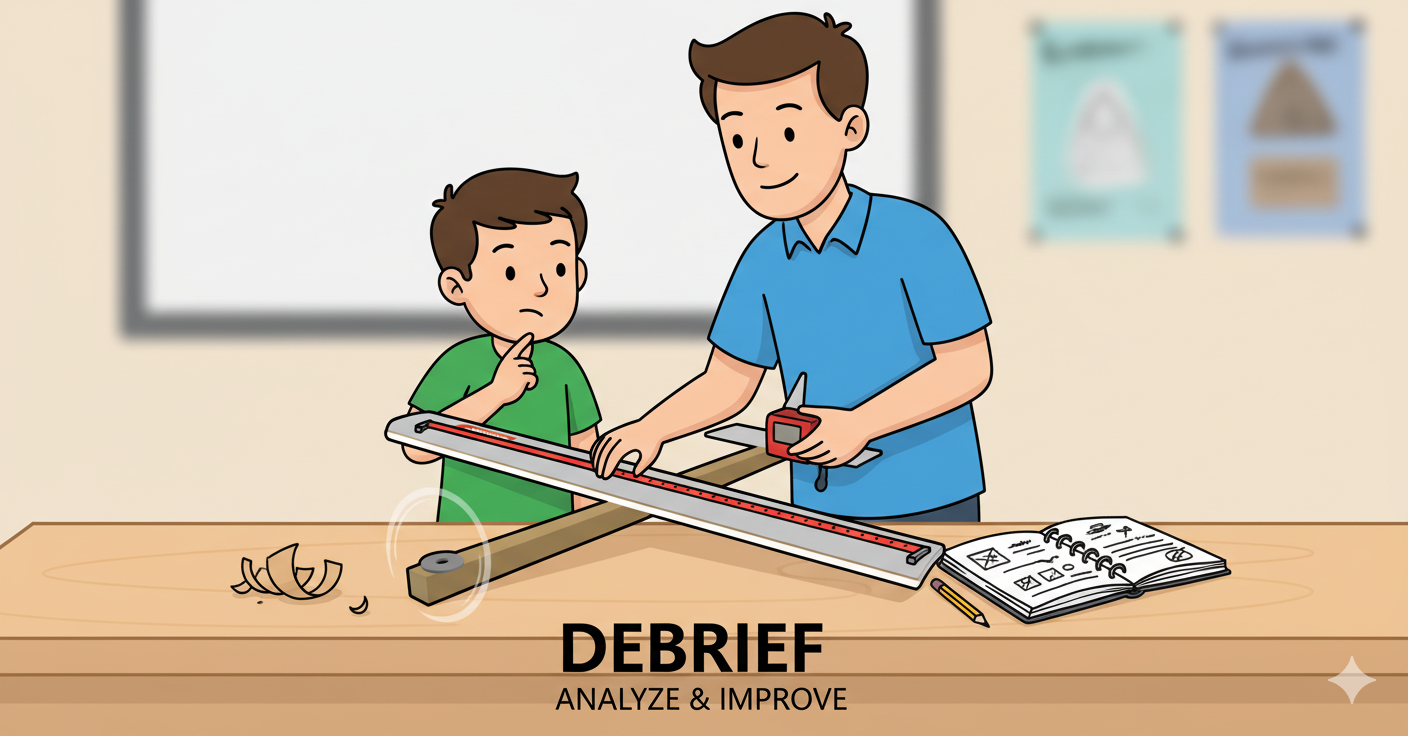
Phase 4: Debrief & Engineering Q&A
We wrap up with a reflective debrief and an open Q&A. Students can ask about engineering careers, aviation, or the science behind their flights — connecting classroom learning to real-world possibilities.
Further Details
Curriculum links: KS2–KS4
Session length: ~90–120 minutes
Group size: Recomended 30 but can be more (classroom format)
All materials provided — just bring scissors and curiosity.
Booking Information
To book a STEMDan session, please contact Dan directly at
stemdan31@gmail.com
or visit the STEMNet website.
All sessions must be booked through the STEMNet system to ensure appropriate insurance and safeguarding coverage.