The idea for ‘Balsa in a Box’ was born in 2017 when the RAF Marham STEM Coordinator, Mo, challenged me to create an activity supporting the RAF Centenary and the upcoming Year of Engineering (2018). Drawing on my deep knowledge of the Principles of Flight from my own studies and teaching at the Air Training Corps (ATC), I set out to build a flight-based challenge.
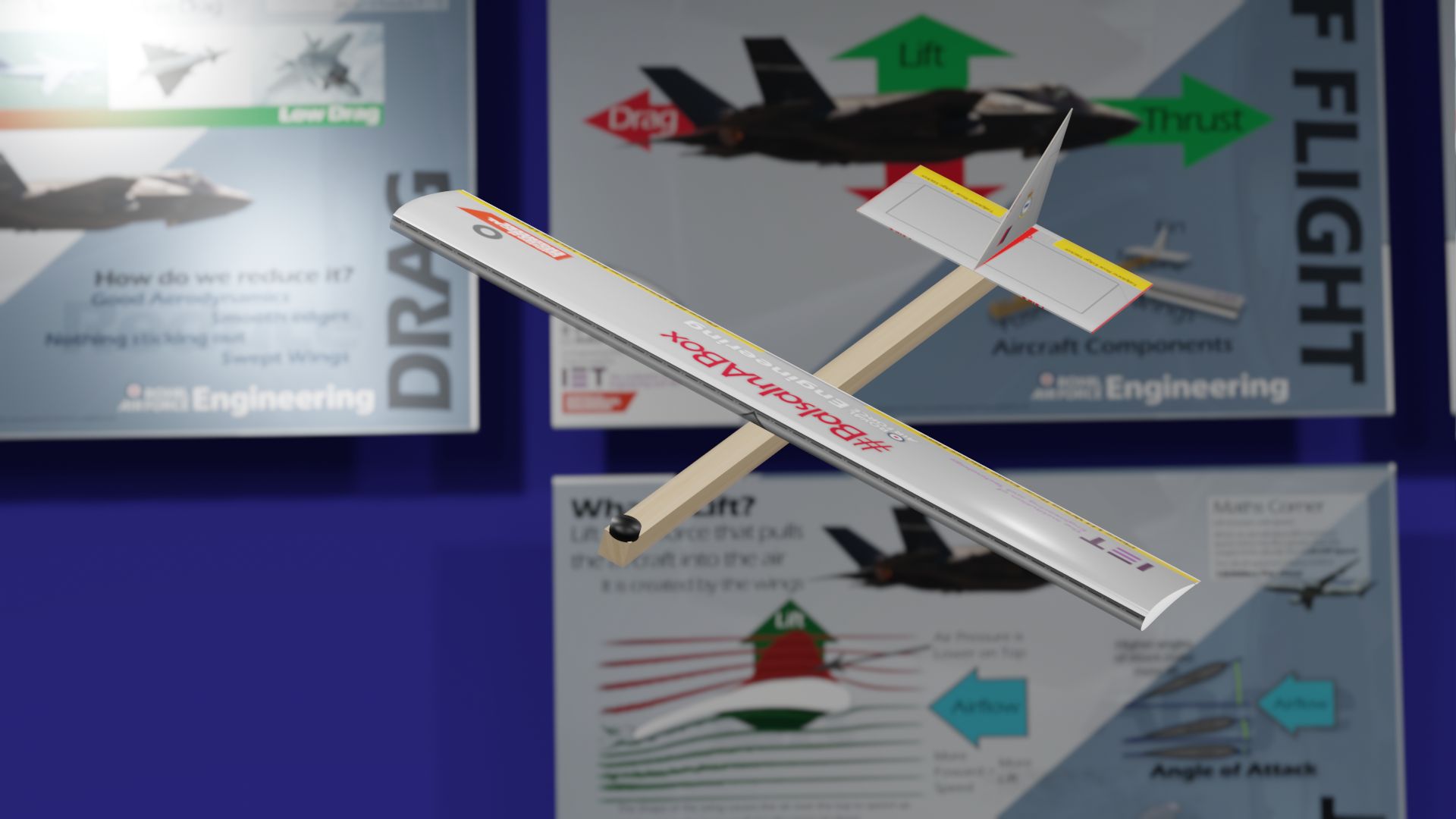
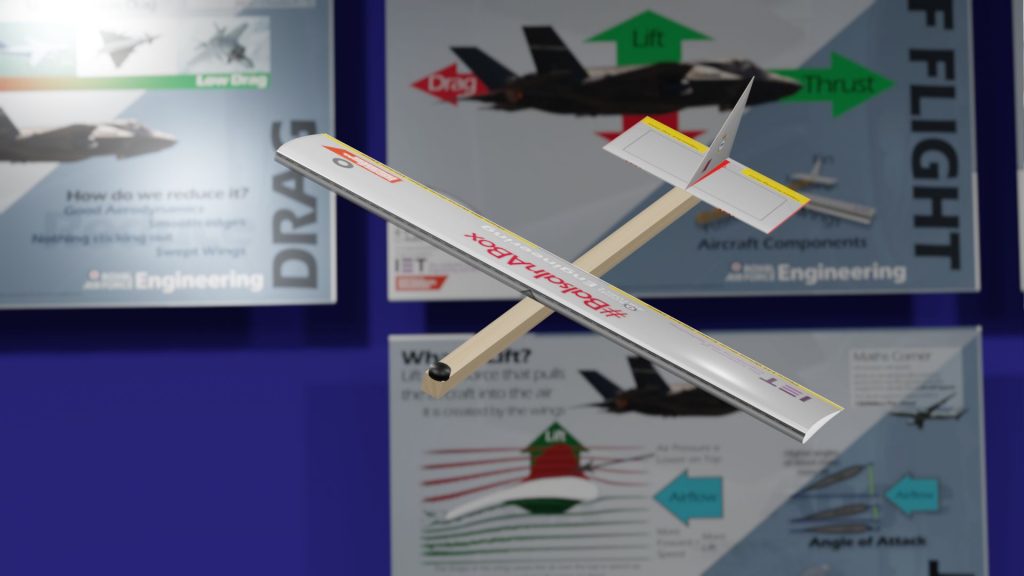
Using materials I had on hand, I designed a simple kit made of balsa wood and cardboard. Each kit was sent to local schools, accompanied by a clear instructional poster for the students to follow. We distributed kits to 10 schools in the area, and the competition culminated in a grand final at RAF Marham for over 150 entrants. The STEM Day was such a success that it attracted local television coverage, and the final prize was presented by the RAF Marham Station Commander.
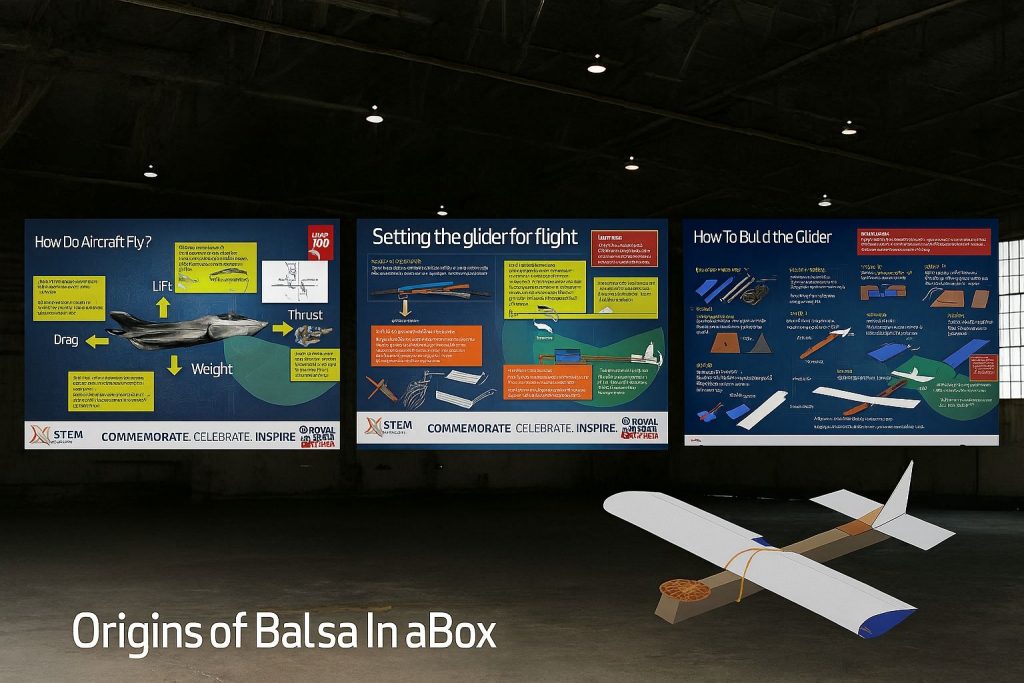
This event was a huge success, and I immediately looked for ways to build on it.
Developing the Session Structure
I took the challenge a stage further by developing a structured, two-hour session built around the classroom activity.
The session starts with a discussion about what makes aircraft fly, focusing on the four principles of flight. We guide students to contribute their own ideas, which we then weave into the required theory.
Next comes the build phase. Students assemble their aircraft through a staged approach under the guidance of our STEM Ambassador team and teaching staff. The session concludes with a ‘Fly Off,’ where the aim is simple: land the glider precisely on a runway 10 meters from the launch point. Finally, we wrap up with a debrief and a Q&A session about the challenge and engineering in general.
This structured approach was a roaring success and was delivered to many schools across Norfolk by myself and the team of volunteer STEM Ambassadors.
Funding the Mission
Initially, the kits were funded directly by RAF Marham. This allowed us to provide the activity free to schools—a necessity, as the cost for a single class kit could be prohibitive for some schools (around \textsterling 30 per class). Bulk purchasing also helped us keep costs low.
In 2019, I saw an opportunity to secure long-term funding. I successfully applied for an Engineering Education Grant from the IET and IMechE, securing £3,500 to fund a major manufacturing run. This funded the production of 50 new kits, enough to cater to 60 students each. I personally redesigned the graphics, created new guide posters, and assembled all the kits in my own time.


From Classroom to COVID: Going Virtual
Unfortunately, no sooner had the new kits been manufactured than the COVID-19 lockdowns hit, completely stopping all face-to-face sessions. We had only managed to deliver five sessions before everything shut down.
However, the grant bid had included a contingency: the option to post the kits out for virtually guided sessions. I quickly leveraged this feature, advertising the activity on the STEM UK website as a virtual engagement option.
This proved to be highly successful. We ran several sessions via Microsoft Teams, where I guided children through the building and theory remotely. The students got a tremendous amount out of these virtual lessons, and we had ongoing requests for the activity well into the following year. This unexpected transition ensured the Balsa in a Box mission continued, proving that hands-on STEM learning can thrive even when we’re apart.
Expanding the Mission: 20,000 Students Reached
Once face-to-face sessions resumed, the kits were put to immediate and intensive use across Norfolk, including a major group session for 150 students at the Norwich Aviation College.
As the activity’s reputation grew, the newly formed official RAF STEM Team began searching for innovative, proven activities to incorporate into their national program. I presented the concept of Balsa in a Box, and they were immediately hooked.
They initially manufactured a further 100 kits, and later ordered another 150, distributing them to RAF units for STEM delivery across the entire UK. Now, eight years after its inception, the activity is still in regular use and has officially reached over 20,000 students.
The legacy of a simple cardboard and balsa kit, designed to celebrate an anniversary, has become a national staple for introducing young people to the fundamental principles of flight and the excitement of engineering.
The Future of Balsa in a Box: A STEMDan Mission
Having completed my 23 years of service with the RAF, the time has come to bring my signature project into its own. The RAF STEM Team thoughtfully ensured they used a new name for the activity, leaving ‘Balsa in a Box’ free for me to continue independently as a STEMDan initiative.
With only a couple of the original kits remaining, and with STEM education funding becoming scarce since the COVID era, I am now looking for support to launch the next phase.
I manage STEMDan in my own time as a non-profit activity, utilizing the volunteering days provided by my current employer. My commitment remains to ensure this fantastic, proven activity is available to everyone, regardless of a school’s budget.
Get Involved: Fund the Next Batch of Kits
I’d love to see the activity continue its legacy. If you or your organization would like to get involved in funding the next batch of kits, please get in touch. Your support will help bring the excitement of flight and engineering to several thousand more budding future aviation engineers.